Clinic Hosts HQHVSN Workshop
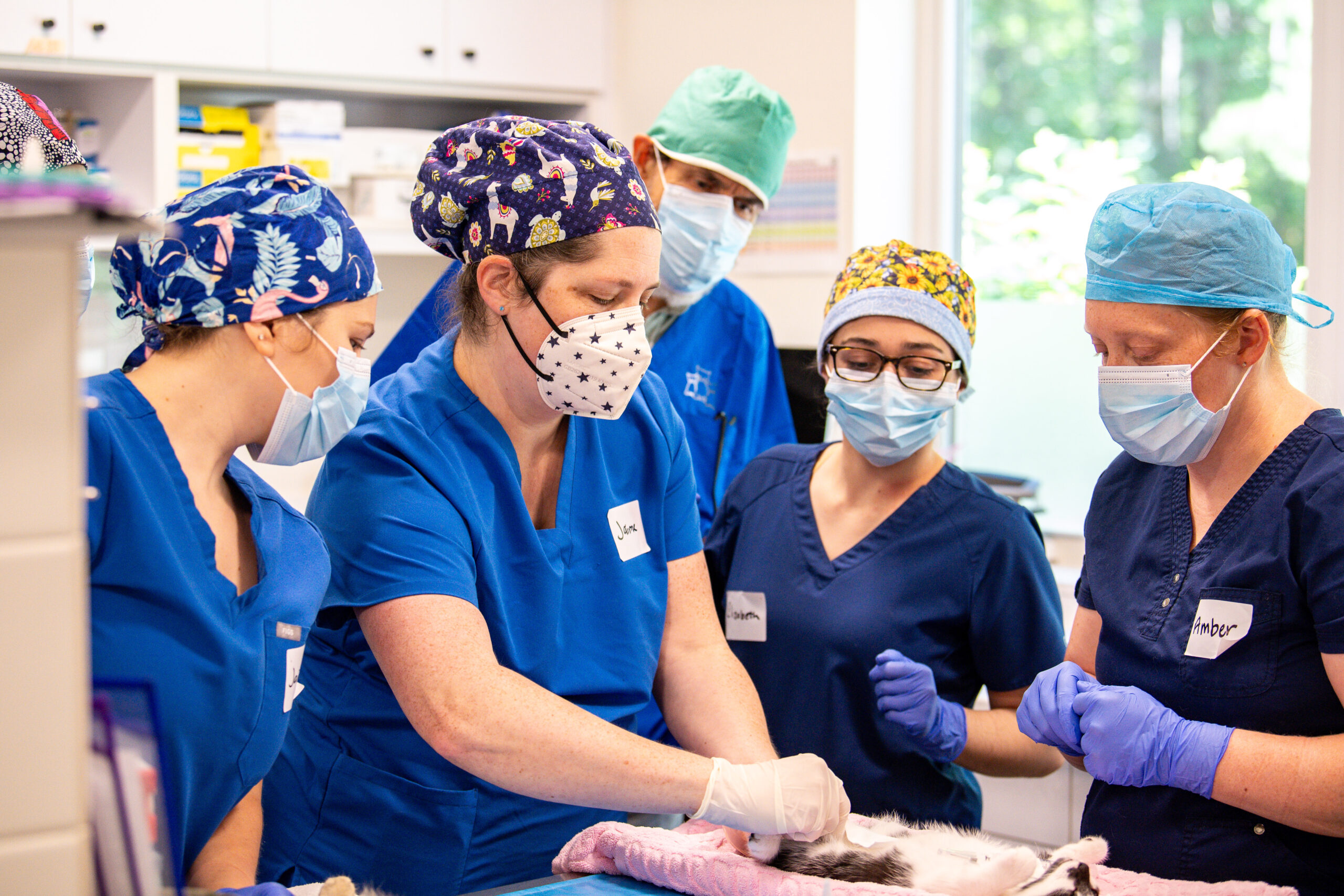
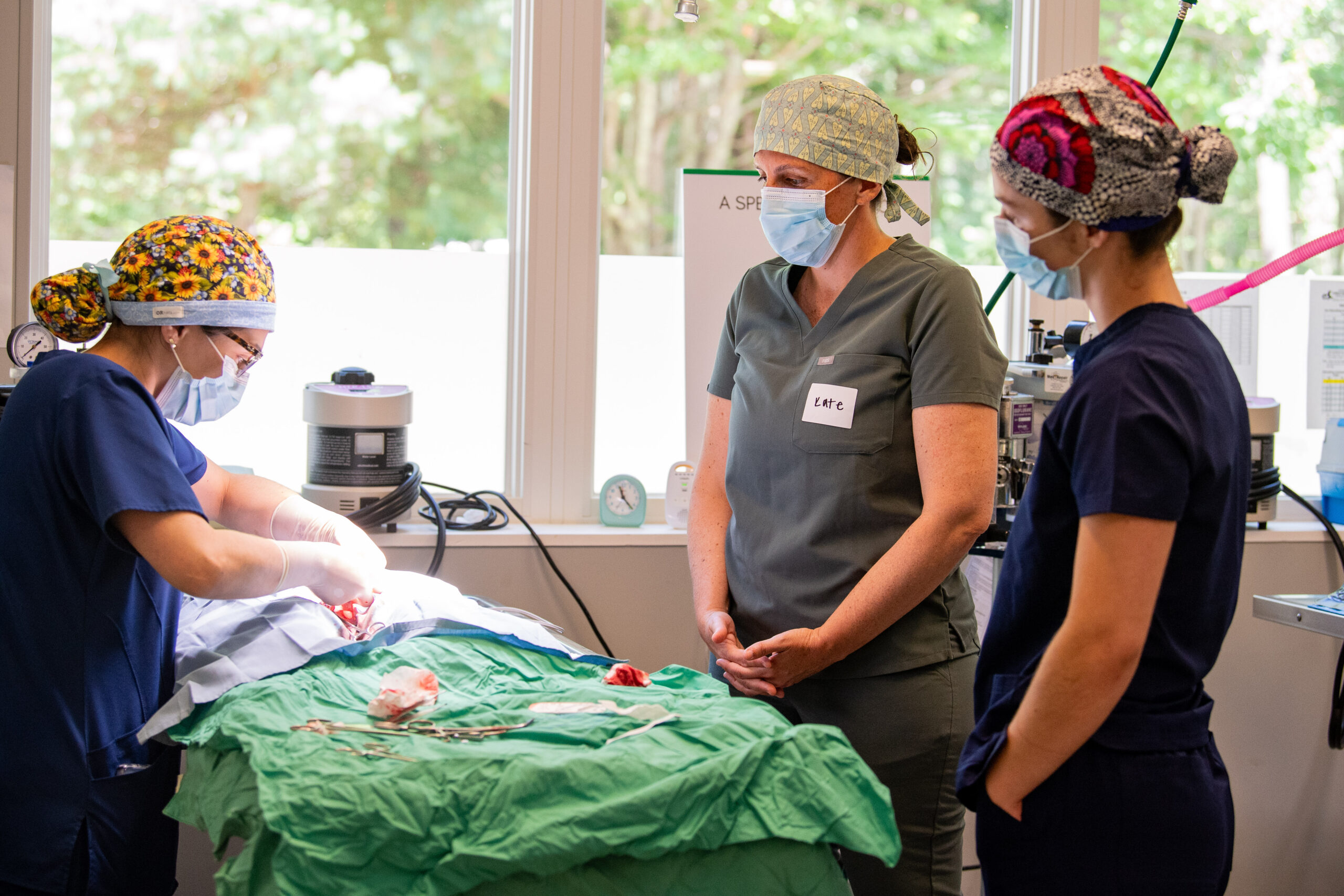
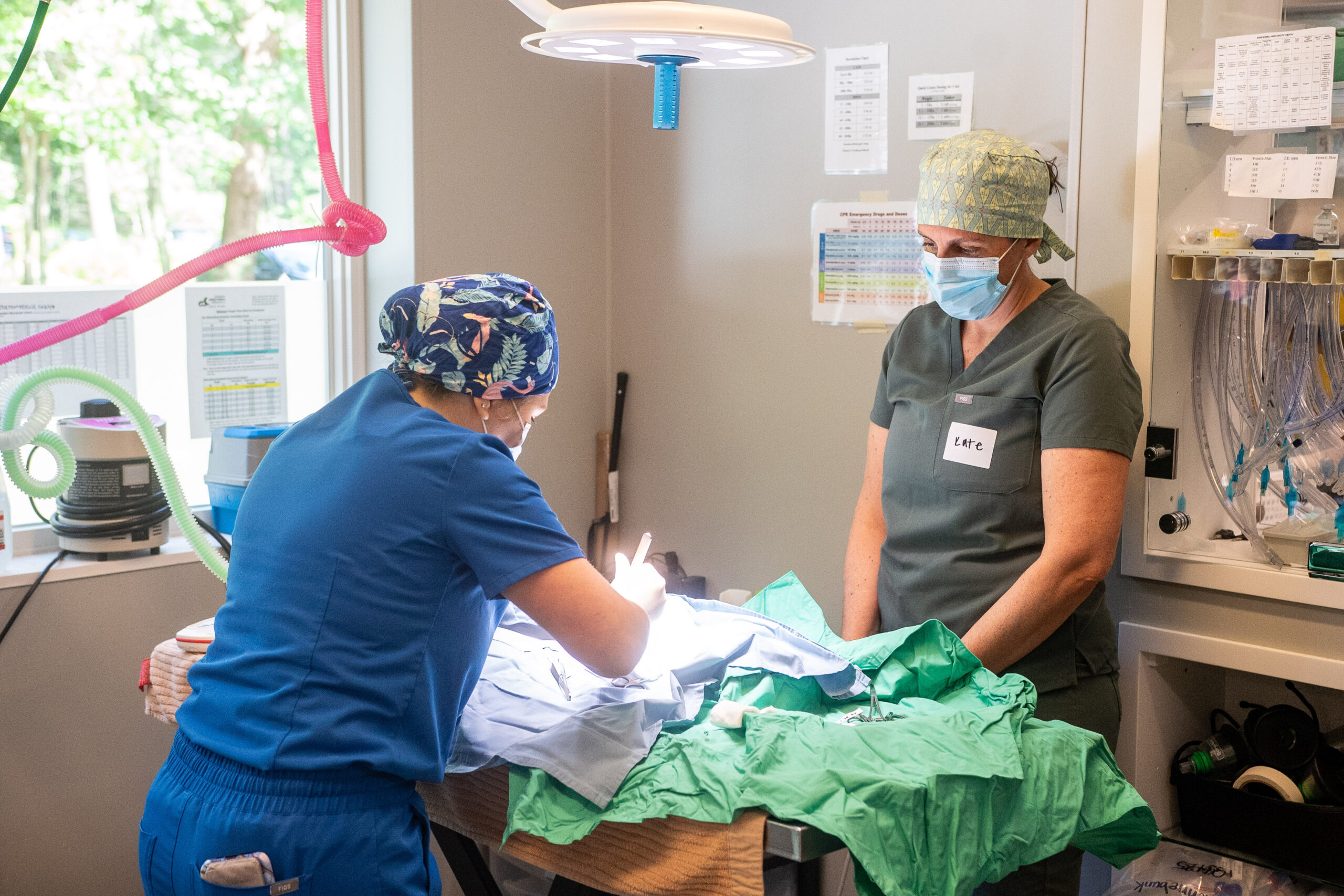
On July 21, AWS’ Community Veterinary Clinic hosted a hands-on spay/neuter workshop to train veterinary professionals in safe and efficient surgery techniques, known as high-quality, high-volume spay/neuter (known in the industry as HQHVSN). AWS’ own Kate Gollon, DVM and Jaime George, DVM led the surgical instruction. Meanwhile, AWS’ veterinary care staff provided instrumental support. They prepped the pets for surgery, shared knowledge and showcased the techniques used for surgery recovery.
What is HQHVSN?
High-quality, high-volume spay/neuter is the cornerstone of veterinary clinics like ours, where the focus is on shelter medicine and community care. HQHVSN is designed to meet or exceed veterinary care standards. Additionally, it make it easier and more affordable for people to get their pets altered. With this model, one veterinarian and support staff spay or neuter 30-40 pets in a single day! Without HQHVSN, we would only be able to alter a few animals a day. This would significantly reduce our impact on our community.
AWS partnered with United Spay Alliance on this workshop. It aimed to expand the quality and timeliness of preventative care in rural areas of Maine. Additionally, it represents AWS’ expanding role providing spay/neuter services statewide through its Rescue Partners Program.
8 am: Workshop Day Begins….
At 8:00 am, 6 veterinary professionals and 30+ cats needing spays arrived at AWS. Dr. Gollon and Dr. George set up in each surgery suite. Veterinary professionals watched and then directly participated in the cats’ surgeries, under the guidance of Clinic staff.
They quickly understood the flow and cadence of HQHVSN. By using their prior training as surgeons, they quickly picked up the techniques needed in high-volume spay/neuter work.
4 pm: Workshop Day Ends….
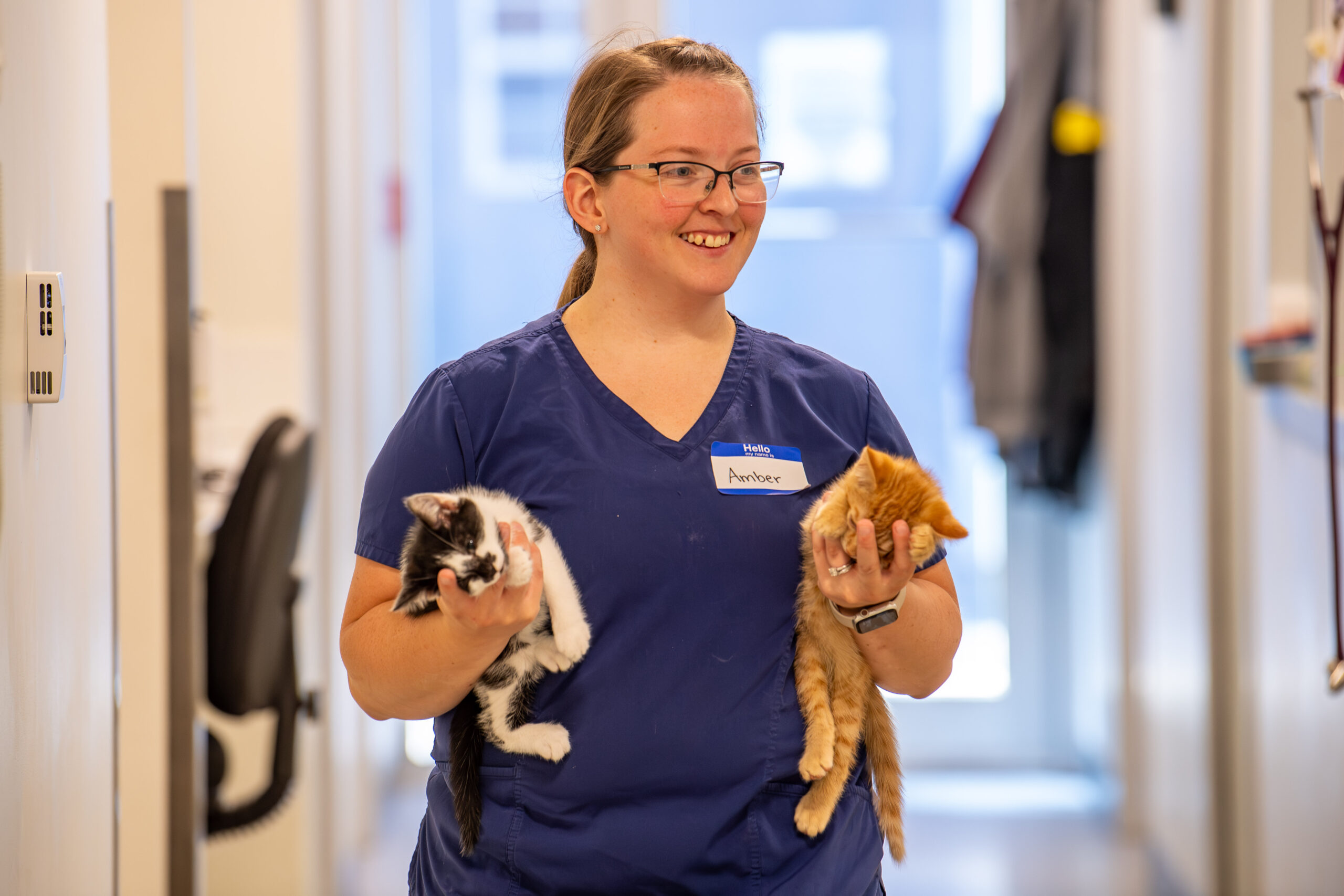
Before long, the day was wrapping up. 34 cats were slowly awaking on a cozy, heated recovery area called “the beach.” They were spayed and ready for the next chapter of their lives. Foster families picked up the cats at 3:30 for additional recovery, with most going up for adoption the next day.
Finally, as the day came to a close, the 6 veterinarians headed home, prepared to apply HQHVSN to their practices and sharing their knowledge with their own colleagues.
Dr. Gollon shared, “It is very rewarding to teach other veterinarians HQHVSN. It is a practice that I truly enjoy and take a lot of pride in. This workshop allowed us not only to train local veterinarians, but will also increase the number of cats that will eventually benefit from HQHVSN services.”
What an inspiring and educational day!