So, maybe you’ve recently adopted a puppy and are introducing them to their new life. You want them to become comfortable and acclimated to the environment they will be living in, from inside the home to regular trips you plan to make with them. This is where socializing your puppy becomes important!
What is Socialization?
Socialization is a developmental process where puppies and adolescent dogs familiarize themselves with their constantly changing surroundings. From new sights, to smells and tastes. It is how they work out what is safe and good as opposed to what is dangerous and not-so-good.
Anything you want your puppy to cheerfully accept as an adult, like your friends, their dogs and different situations, you want to positively introduce to them as early as possible! Then you have to make sure they continue to stay comfortable with these things.
Don’t Puppies Love Everything?
They often do at first, but as puppies grow, their view of the world starts to take shape. How they feel about new dogs, people, and places depends on whether those early experiences are positive and safe. Puppies who have gentle, enjoyable introductions to different sights, sounds, and situations are more likely to grow into confident, friendly adult dogs.
If a puppy’s experiences are stressful or limited, they may become uncertain or fearful later in life. Helping your puppy build positive associations during their first six months, at a pace that keeps them comfortable, can help prevent future problems!
Puppy Socialization
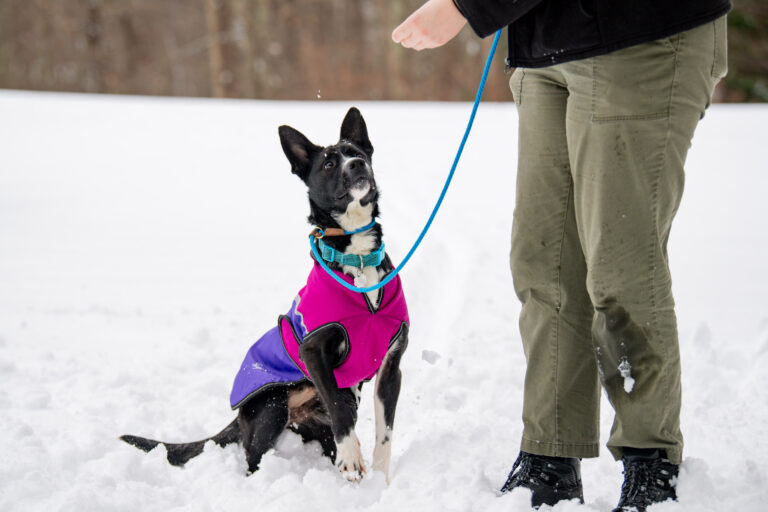
Step One: If your puppy seems a little nervous, move a small distance away and give treats. Then, walk away! Anything they are unsure about should be encountered in short bursts.
Step Two: As soon as your puppy seems more relaxed, try again. As they hear or see the thing that scares them, start your cheerful praise and break out the treats!
Step Three: If your puppy did not seem nervous with the new thing or acts curious about it after they have been treated, go back and let them investigate some more. Again, praise and treat!
Training Tip: Think about the things your puppy will see every week as an adult: Visit those places, see those people, or experience those things now.
Training Tip: Help your puppy form positive associations: Cheer and praise her when she encounters something new. Offer a treat whenever possible., rumbling, and rolling with the other dogs!
Looking for the perfect place to train your puppy? Check out Canine Training’s Puppy Kindergarten classes or sign up for a one-on-one training session!