Whether we’re ready for it or not, winter is HERE! In addition to the snow, it’s cold, Cold, COLD! Exposure to extreme temperatures, dry air, sleet, snow and much more can all have negative effects for our animal companions, even if the exposure is brief. Keep your pets cozy, safe and warm this winter!
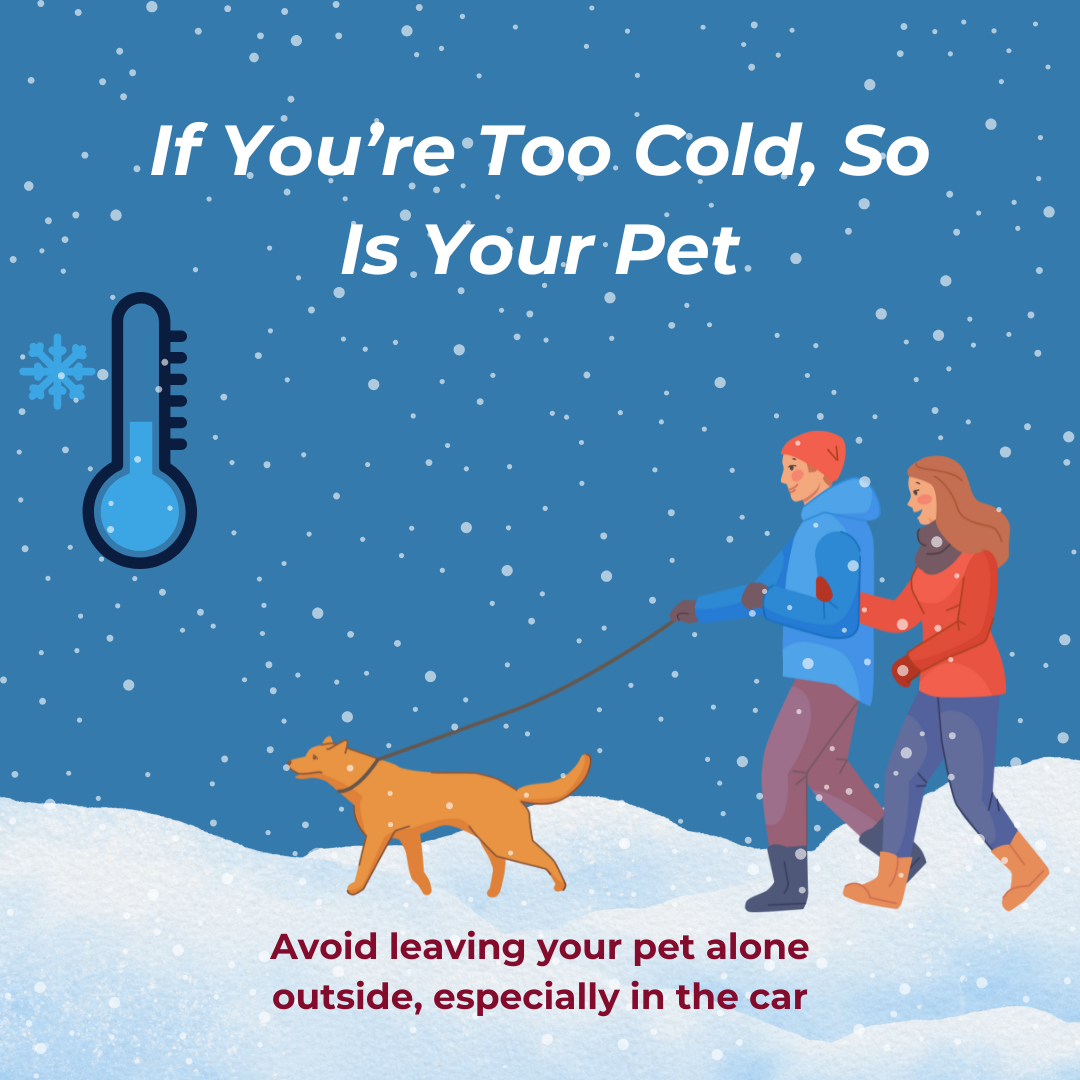
Are You Cold? Your Pet is Too!
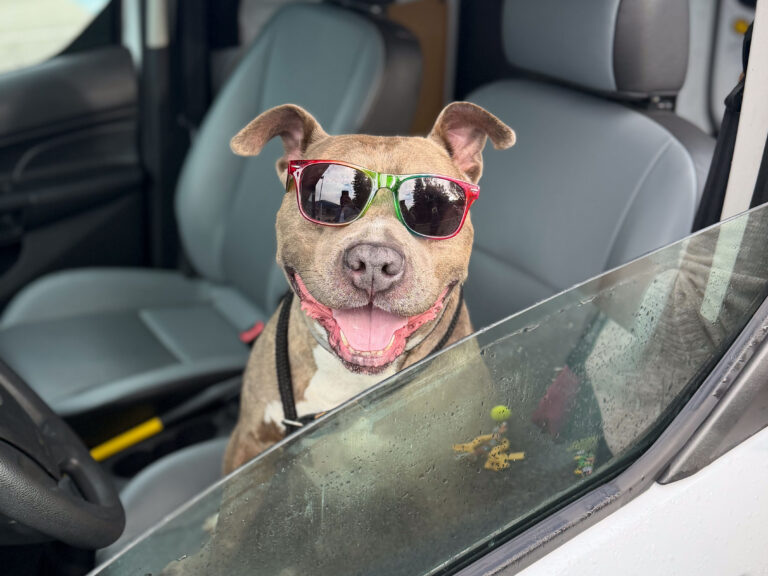
Remember, if you’re cold, your pet is too! Freezing temperatures can leave pets disoriented as well as negatively impacting their health and wellbeing when outdoors, even for a short while. Frostbite can happen to pets too! Don’t leave your pet in the car by themselves, as the cold temps can be contained in the car and cause them to freeze even quicker. Even with the heat running, the car may still be too chilly for your canine companion. In general, especially in extremely low temperatures, time outdoors should be very minimal.
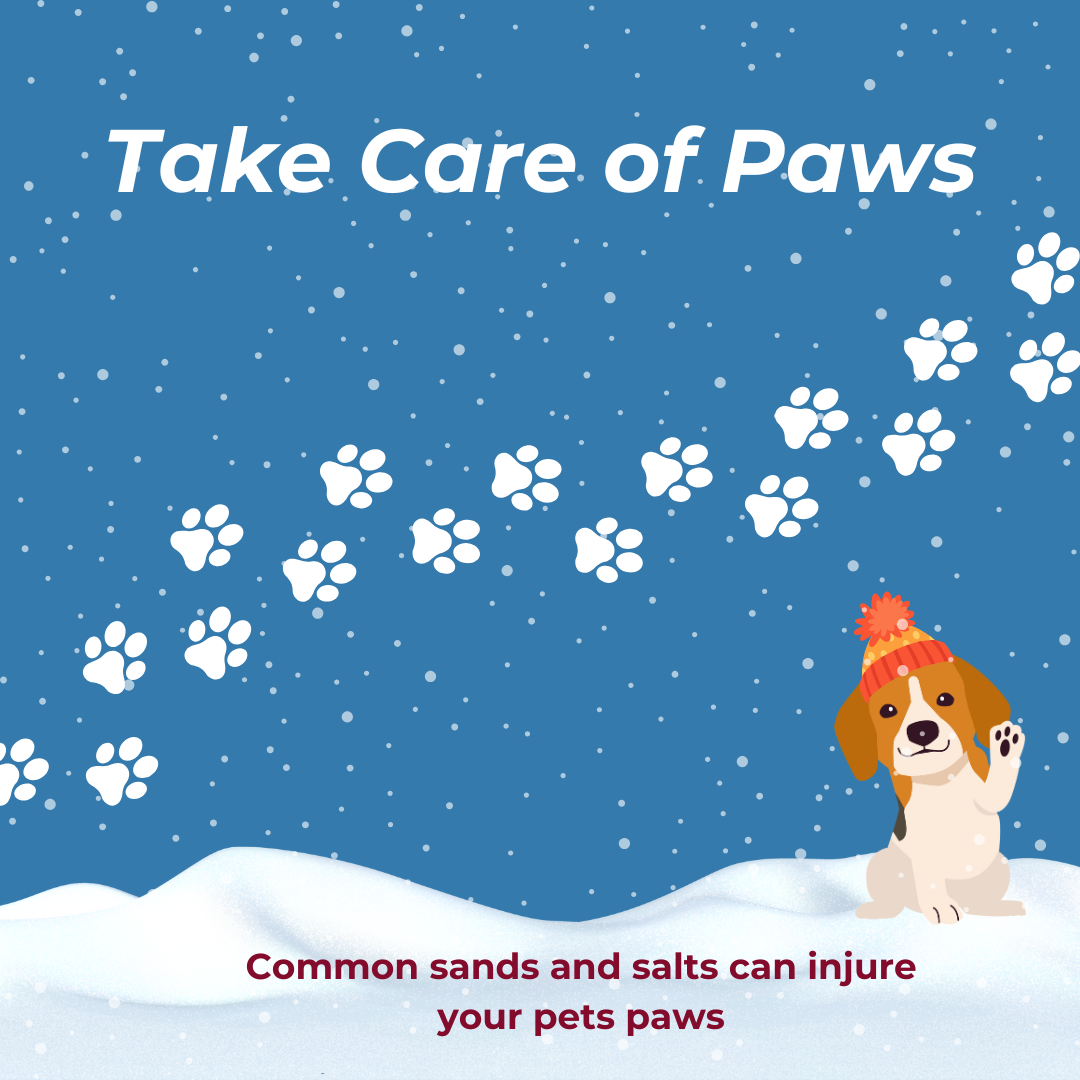
Pause to Consider Paws
Common sands and salts used on the roads can cause irritation and injury to your pet’s paws. Using petroleum jelly or other vet-approved paw protectants can offer additional protection to keep your pet safe. Booties can also give additional prevention and be sure to use pet-friendly ice melts around your home! We have some small booties for sale in our Adoption Center lobby!! If your pet isn’t keen on booties, paw balm can also offer protection by coating the paw pads. Often called ‘musher’s wax’, you should be able find it for sale at most pet supplies stores.
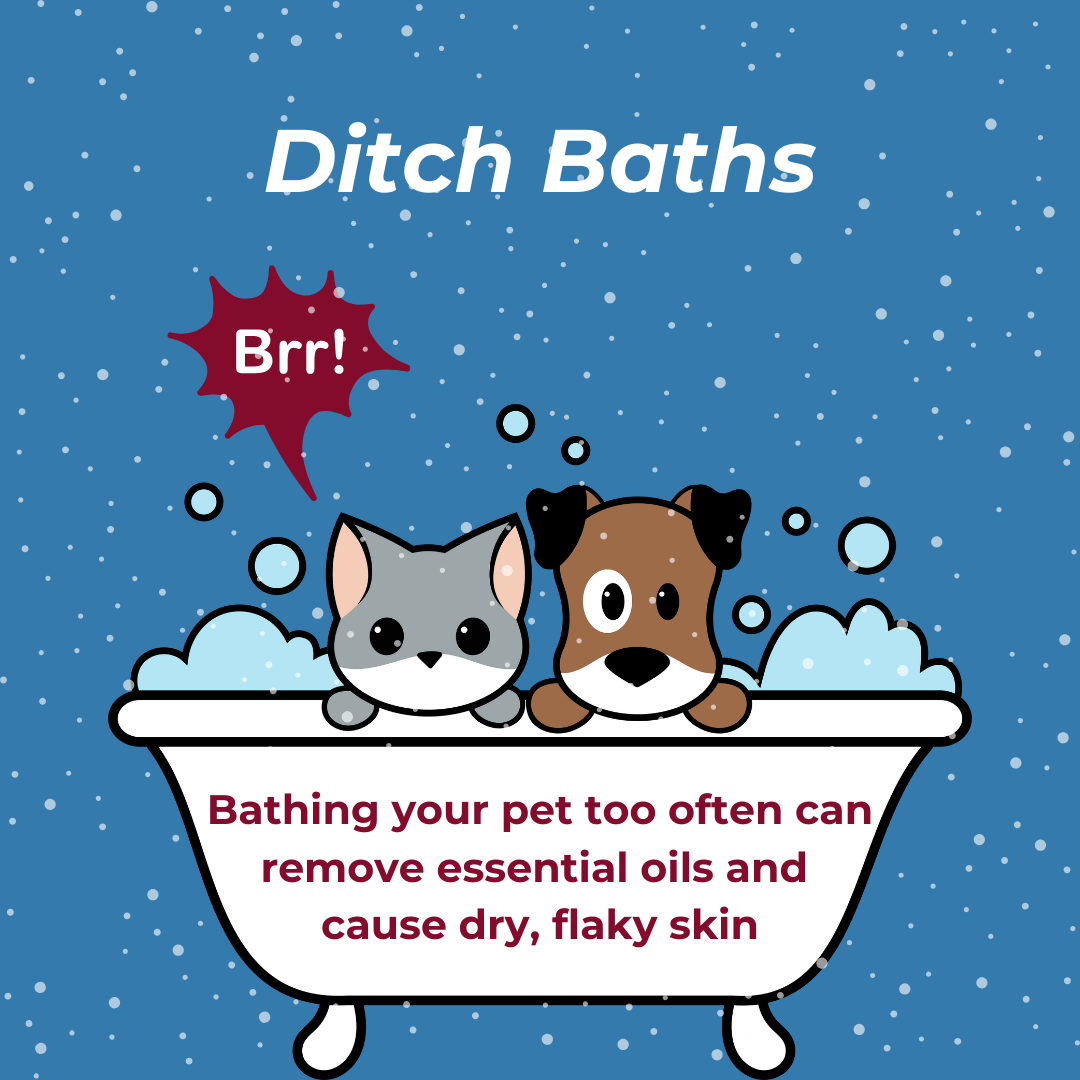
Give Fewer Baths
Bathing your pet too often in the colder months can cause adverse health issues too. Washing can remove essential oils and cause an increase in dry, flaky skin developing on your pet. (This happens to us humans too, how much more lotion do you use in the winter!) For pets that need to be bathed often, ask your vet to recommend a moisturizing shampoo and/or rinse to use for these cold and dry months!
Reduce Grooming in Cold
Having a longer coat during the colder months provides more protection against the elements (check with any husky on the importance of a long, thick coat!). Shaving/overly grooming your pet means they are more prone to exposure, such as freezing and frostbite, and will likely be colder during walks or time spent outside. If you have a longer haired pet, instead of a full groom, try more frequent trims to keep them fresh but also safe. If your pet is short-haired, a coat or a jacket can offer them protection against the freezing temps.
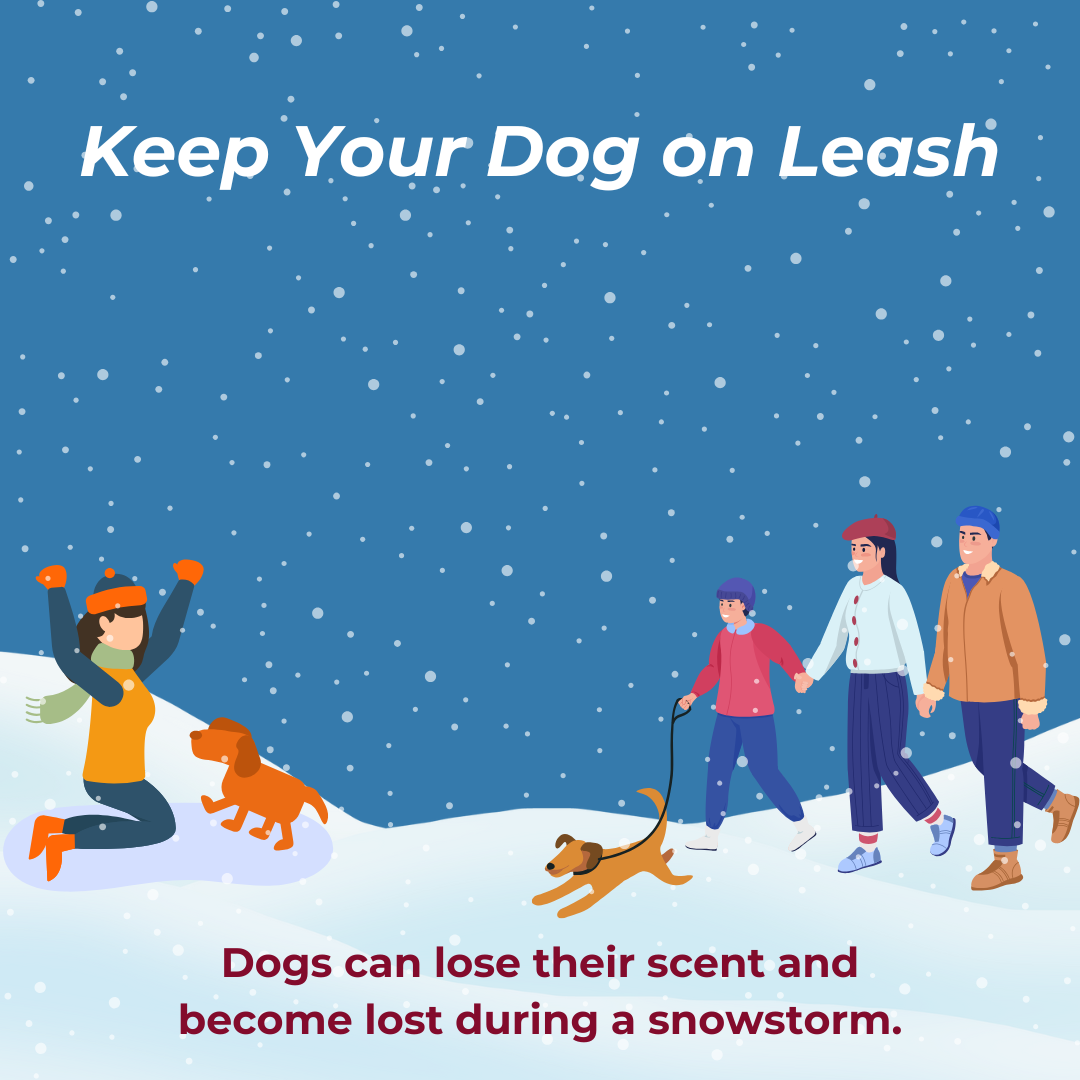
Keep Your Dog on Leash
During these cold winter months, when you are outside with your dog, it’s best to keep them on leash, so that you can make sure they are safe. Especially during a snowstorm, dogs can lose their scent and become lost. More dogs are lost during the winter than any other season, so be sure to always make sure your dog wears an ID tag (If you need a new ID tag, stop by our Adoption Center Tuesday – Sunday, we have an ID maker right on site).
Watch for Animals Outdoors
This time of year, especially in freezing temperatures, it is important to be extra vigilant when you see pets outside. If you see a dog in the cold without proper shelter, be sure to contact local law enforcement (such as local animal control) right away for instructions. Dogs left in extreme temperatures are at risk of hypothermia and frostbite.
It is not uncommon, any time of year, to see cats outdoors, whether they are a lost house pet, an indoor/outdoor cat or part of a feral cat colony. Cats are, by nature, going to find a warm place to curl up, whether that’s under a porch, in a tree hollow or even inside someone’s shed. Please do not shoo away cats you find on your property in freezing temperatures. Call your local animal control officer or check with your local shelter to see if the pet is lost or needs assistance.
If you’re caring for a feral (community) cat colony or have a working/barn cat, make sure they have access to a warm safe place out of the elements with straw for warmth. Please make sure to check on them regularly, especially to ensure their water hasn’t frozen and that they have access to their food. For more tips specifically for feral cat caretakers, please check out this article from Alley Cat Allies.
Keep Indoor Spaces Cozy Too
You should consider your pet’s comfort not only outdoors, but indoors as well. Even indoors, a pet can feel chilly and unsettled. Be sure to limit their time on a cold floor or in drafty areas. Just like how we enjoy curling up with extra cozy blankets, our pets do too! Giving your pet a warm and cozy space to sleep is very important with extreme cold temperatures. Having extra spots for pets to be safe and warm is very important, even indoors. If your cat’s litterbox is in the unheated basement on a concrete floor, for example, consider using rugs or towels to provide a path to keep your cat’s paws warm when they approach.